Beautiful Custom Wood Garage Doors for Your Home
March 23, 2026
- By
- Fair Garage Repair Windermere
If you’re planning to elevate your home’s exterior, start with this checklist: durability, curb appeal, and proper professional installation. At Fair Garage Repair Windermere, we’ve helped countless homeowners select and install custom wood garage doors that blend design craftsmanship with reliable performance. Our years of experience have shown how tailored materials and finishes transform the appearance and function of an entryway. We’ll break down the process from planning through maintenance so you can make informed choices for a door that lasts decades. Learn more about our garage door installation services to prepare for your next project. A common issue we’ve seen is homeowners rushing into pre-made options only to face swelling, warping, or costly replacements within a few seasons. When untreated wood or improper fitting meets humidity and temperature shifts, deterioration follows quickly. We’ve replaced many doors that could have endured years longer with correct sealing and professional alignment during installation.
What Defines Quality Custom Wood Garage Doors
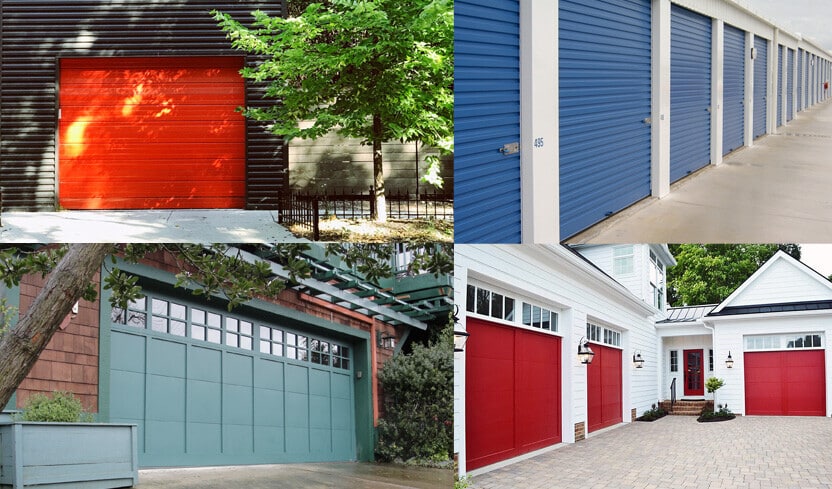
The best custom wood garage doors reveal craftsmanship through their internal framing and sealing integrity, not merely surface beauty. Our professional checklist always begins with quality-grade lumber selection, consistent moisture readings, and joint engineering to meet DASMA and ASTM D2915 strength classifications. The following best practices define a superior installation process:
- Use rot-resistant species such as cedar, redwood, or marine-treated mahogany.
- Apply multi-layer oil-based stains with UV absorbers and polyurethane topcoats for exterior durability.
- Integrate weather seals, bottom gaskets, and balanced torsion spring calibration per ANSI/CIDA door specifications.
- Conduct annual inspections on track plumbness and lateral movement tolerance (must stay within ⅛-inch variation for aligned travel).

Preserving Beauty and Understanding Investment Variables
Once installed, custom wood garage doors require structured care to preserve both finish and function. Routine maintenance isn’t cosmetic – it extends lifespan and prevents expensive overhauls. In our experience, clients who schedule biannual resealing and lubrication often double their door’s operational years. We once serviced a homeowner whose door finish had dulled due to unchecked sun exposure; re-staining and adjusting hinge bolts restored like-new appearance within two days instead of full replacement. Proper upkeep involves wiping down panels, reapplying exterior-grade polyurethane every two to three years, and checking cable tension according to industry tolerances. Costs for custom wood garage doors vary widely. A single-door setup may range from $2,500 – $5,000, while large double configurations with unique hand-forged hardware can exceed $8,000. Pricing typically fluctuates based on material grade, design complexity, and installation specifications. Labor timelines run between one to three weeks from initial design approval to final fitment. These figures are preliminary benchmarks for informational purposes only and do not constitute a binding quote. An on-site evaluation is required for a final proposal. For detailed service comparisons, review our garage door repair options or see reliable garage door services in Windermere and Pine Hills to plan professional repair or upkeep scheduling.
Book a Professional Custom Door Evaluation
If you’re ready to explore how a tailor-made wood garage door can elevate your home, schedule a personalized design and material consultation today. Our team will walk you through species choices, hardware coordination, and protective finishes that balance beauty with resilience. We handle every stage – precision measurement, design planning, and installation inspection – to ensure seamless performance from day one. When it’s time to enhance your home exterior with craftsmanship that lasts, connect with a trusted specialist who understands both design vision and mechanical accuracy. Request a professional evaluation to start building a wood garage door that fits your style and endures for years.
FAQs
What wood types are best for custom wood garage doors?
Cedar, mahogany, and redwood continue to be leading selections for custom wood garage doors because each offers a reliable combination of strength, beauty, and resistance to environmental stress. Cedar provides lightweight panels that contain natural oils, protecting the wood from both insects and moisture. Mahogany, prized for its fine grain and deep color tones, adds elegance while maintaining structural integrity suitable for high-end architectural styles. Redwood combines impressive stability with a warm hue that weathers attractively over time, making it ideal for homes in areas with fluctuating temperatures or humidity. The secret to long-lasting performance lies not only in choosing premium species but also in proper preparation. Kiln drying removes internal moisture and prevents cracking, while multi-layer sealing provides long-term defense. Regular maintenance, including gentle cleaning, periodic refinishing, and attentive inspection, ensures lasting value and timeless visual appeal.
How do I customize the design of my wood garage door?
Designing custom wood garage doors involves a careful, step-by-step process that balances structural integrity with visual appeal. The first stage usually focuses on determining the overall style that best complements the home’s exterior, such as carriage-house charm, minimalist flush panels, or traditional raised designs. Once a layout is chosen, clients can refine details like wood species, grain direction, stains, and protective finishes to achieve the desired tone and durability. Hardware elements, including decorative hinges, handles, or iron straps, add character and emphasize symmetry, while window inserts provide natural light without compromising privacy. Technicians take precise digital measurements to maintain proper proportions and alignment across panels, a key factor for double or triple garage configurations. During fabrication, craftsmen rely on mortise-and-tenon joints, hand-sanded edges, and layered coatings that resist warping and moisture, resulting in reliable, long-lasting performance. Collaborating early with a skilled installer ensures seamless installation, perfect balance, and consistently quiet door operation.
How much does a custom wood garage door cost and how long does installation take?
The cost of a custom wood garage door may range from approximately $2,500 to $8,000 depending on material quality, size, and design complexity. Three major factors affect overall pricing: material and hardware choices (mahogany vs. cedar), site complexity and framing adjustments, and finish or decorative detailing scope. Installation typically requires one to three weeks after design finalization – this includes shop fabrication, finishing, delivery, and on-site alignment. High-end multilayer doors or integrated window inserts can extend lead times slightly. Installation by licensed professionals ensures proper spring calibration and warranty protection. Choosing cheaper builds or skipping sealing steps can lead to swelling or delamination, adding preventable future costs. These figures are preliminary benchmarks for informational purposes only and do not constitute a binding quote. An on-site evaluation is required for a final proposal.
Can I install a wood garage door myself or should I hire professionals?
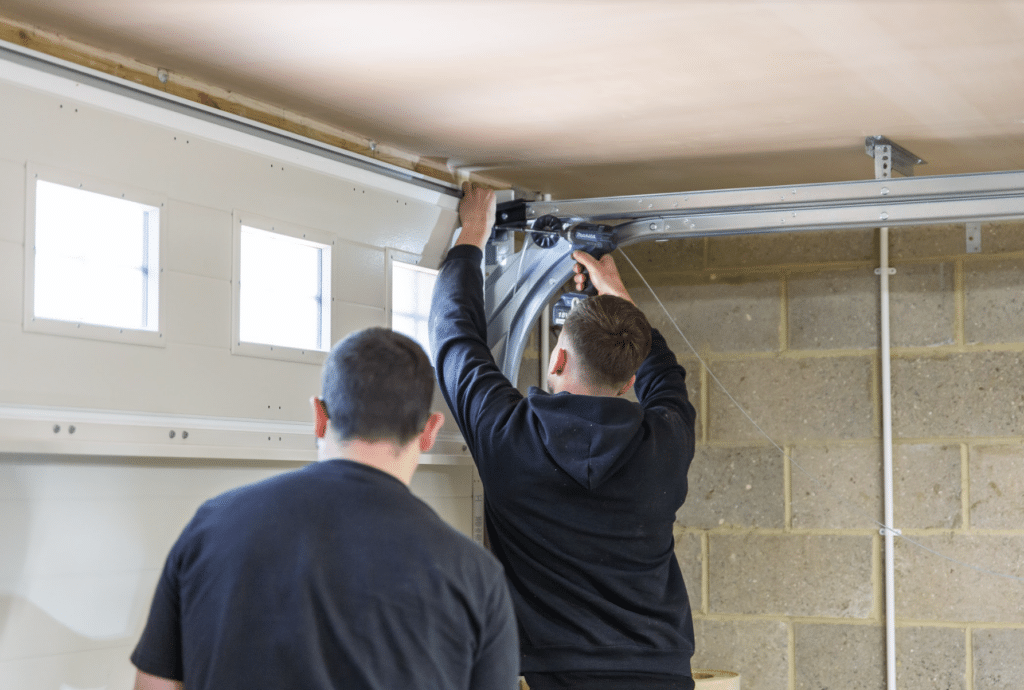
Installing custom wood garage doors is a task that demands precise tools, technical expertise, and a strong understanding of safety procedures. The most critical aspects include torsion spring adjustment, accurate track alignment, and proper balance calibration. Even a slight misalignment can cause the door to strain the opener motor, create gaps that admit water or air, and shorten the life of key components. While homeowners can handle light maintenance such as staining, sealing, or cleaning, the full installation process should always be performed by licensed professionals trained in DASMA standards and ANSI safety regulations. Certified installers not only ensure accurate mechanical setup but also manage electrical connections, weather stripping, and system testing. Attempting a do-it-yourself installation may void product warranties or risk serious injury since the tension of torsion springs can exceed 100 – 150 pounds. For best results, homeowners should focus on routine aesthetic upkeep, lubrication, and general observations between scheduled professional service appointments. This careful division of responsibilities ensures long-term performance, safety, and consistent functionality of your custom wood garage door system.
How often should I maintain or refinish my custom wood garage door?
Custom wood garage doors demand thoughtful and consistent care to preserve their natural beauty, strength, and movement quality over time. Routine maintenance not only enhances curb appeal but also extends the lifespan of the materials. Begin with quarterly surface cleaning to remove dust, grime, and residue that can dull the protective finish. Every two to three years, depending on sun and weather exposure, apply a quality refinishing treatment. Inspect the panels for fading, cracks, or peeling in the coating. A simple test is to sprinkle water on the surface; if it no longer beads, the sealant has thinned and a fresh coat is required. Choose an oil-based or marine-grade polyurethane finish for superior ultraviolet and moisture protection. Lubricate hinges, rollers, and tracks every six months using a silicone or lithium-based product. While doing these tasks, check screws, brackets, and weather seals to ensure tightness and functionality. Examine the bottom gasket for signs of brittleness or gaps that could allow drafts or pests inside. If you notice uneven lifting, slow operation, or dull discoloration, schedule a professional inspection as soon as possible. Consistent attention to these details will protect the wood from premature wear while maintaining the door’s smooth operation and polished appearance.
What are the most common problems with wood garage doors?
Common issues with wood garage doors often result from natural material properties and environmental exposure. Warping, swelling, and finish degradation frequently develop when the wood absorbs excess moisture or lacks proper sealing. Without balanced ventilation, humidity changes can cause panels to expand unevenly, leading to binding along the tracks and creating friction during operation. Discoloration and flaking paint are common indicators of ultraviolet exposure or a deteriorated protective topcoat. Over time, hinges may loosen and rollers can drift out of alignment, producing uneven movement or loud vibrations that signal underlying structural shifts or spring tension imbalance. Seasonal swelling may also reduce clearance between panel joints, making the door stick or fail to close tightly. Skilled technicians typically correct these issues by recalibrating spring tension, sanding swollen edges, tightening fasteners, and resealing exposed wood surfaces. Consistent inspection, proper drying before construction, and timely maintenance help preserve durability while preventing expensive replacements. Thoughtful preparation and attention to environmental conditions ensure the door retains both beauty and reliable performance, extending its service life for many years.
What should I check before hiring someone to build or install my custom garage door?
Before selecting a contractor to build or install custom wood garage doors, it is essential to verify that the company has a valid mechanical door system license and carries current liability and worker’s compensation insurance. Contractors who meet these standards demonstrate a commitment to both safety and professionalism. Reliable providers follow DASMA guidelines and adhere to OSHA safety regulations to ensure every installation is secure and durable. Examine their project portfolio to evaluate design consistency, precision joinery, uniform finishes, and smooth operating mechanisms. Always request material and finish warranties, and confirm that the installation crew – not third-party subcontractors – performs the final fitting. A detailed written estimate should list hardware grades, wood species, staining procedures, and post-installation inspection processes. Finally, check client reviews, communication reliability, and project management transparency, ensuring your investment supports craftsmanship, safety, and long-term value for your home.
My wood garage door looks slightly warped - what should I do?
Mild warping usually begins when protective finishes deteriorate or when one side of the garage door is exposed to higher moisture levels than the other. This creates uneven swelling or contraction within the material that gradually changes the door’s alignment. When you notice bending, misaligned joints, or gaps that do not close evenly, do not try to force the door shut, as that can damage hinges, panels, and opener mechanisms. Instead, disconnect automatic operation to prevent further stress and inspect the affected area closely. Look for loose screws, separating seams, and moisture stains near the bottom edge. Keeping the door closed while arranging a professional inspection can help minimize ongoing distortion. A qualified technician can assess the degree of warping, adjust track alignment, balance spring tension, and, if needed, replace damaged sections to restore stability and appearance efficiently.