
Picking the right garage door material matters more than most people realize. At Fair Garage Repair Windermere, we install and fix doors made from every type of material out there. Each one has clear strengths and weaknesses worth knowing about. Whether you need something budget-friendly or ultra-durable, we’ve got you covered. This guide breaks down five popular options so you can make a smart choice. We’ll also give you our honest picks for both residential and commercial properties heading into 2026.
Understanding Popular Garage Door Materials Today
The garage door material you choose affects everything from curb appeal to energy bills. We’ve worked on thousands of doors over the years. Trust us when we say not all materials perform equally in Florida’s heat and humidity. Some hold up great for decades. Others start showing wear within just a few years.
Today’s homeowners have more garage door material options than ever before. You can go classic with wood or modern with aluminum and glass. The key is matching your choice to your climate, budget, and style preferences. At Fair Garage Repair Windermere, we help customers weigh these factors daily. Let’s dive into each option so you know exactly what you’re getting.
A garage door broker doesn’t manufacture anything itself. Their job is to match you with the right product. They have relationships with many suppliers. This gives them access to options you might never find on your own. When I first started in this industry, I was amazed at how many quality products flew under the radar. A good broker brings those hidden gems to light.
Steel Garage Door Pros and Cons
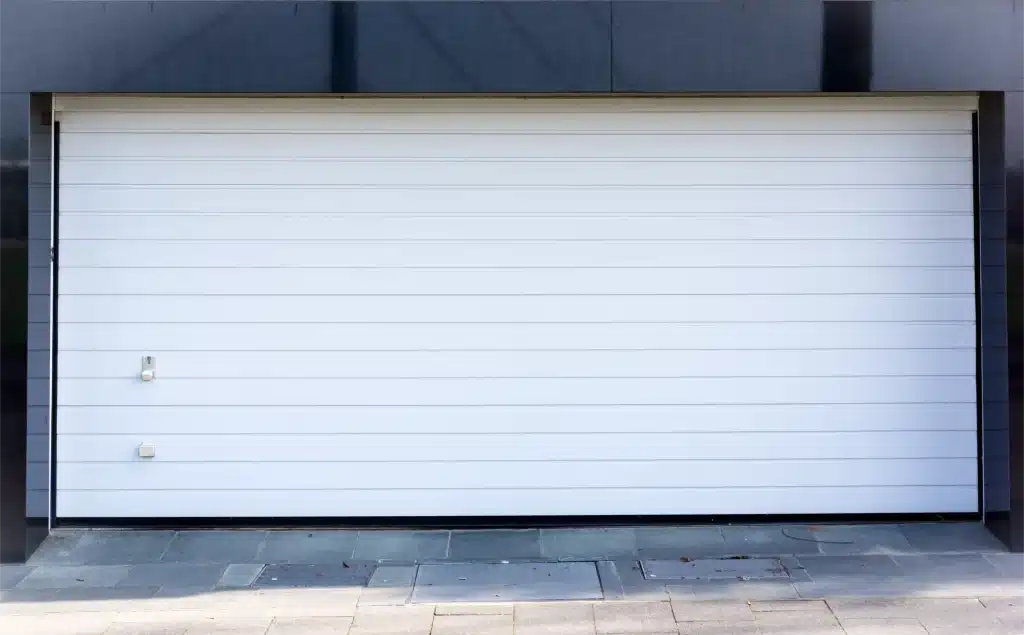
Steel remains the most common garage door material we install. There’s a good reason for that. It offers excellent durability at a reasonable price point. Most steel doors come with insulation options that help control garage temperatures. They also resist dents better than you might expect, especially the thicker gauges.
However, steel isn’t perfect. The biggest downside? Rust. In humid climates like ours here in Windermere, steel can corrode over time without proper maintenance. We recommend regular inspections and touch-up paint to prevent rust from spreading. Also, lower-gauge steel dents more easily than premium options. If you want longevity, invest in a thicker steel garage door from the start.
Wood Garage Door Benefits and Drawbacks
Nothing beats the natural beauty of wooden garage doors. We’ve installed stunning custom wood doors that completely transform home exteriors. This garage door material adds warmth and character that other options simply can’t match. Plus, you can stain or paint wood any color you want.
Here’s the honest truth about wood doors, though. They require serious maintenance commitment. Wood swells, warps, and cracks when exposed to moisture and temperature swings. You’ll need to refinish them every few years to keep them looking good. Wood doors also cost significantly more upfront and weigh more than other materials. Still, for homeowners wanting that classic wooden garage look, the maintenance trade-off feels worth it.
Aluminum Garage Door Advantages and Downsides
Aluminum garage door options have gained popularity recently. This lightweight material won’t rust like steel does. That makes it perfect for coastal areas or humid climates like Central Florida. We’ve seen aluminum doors last for years without showing corrosion damage.
The trade-off comes in durability. Aluminum dents much easier than steel. A stray basketball or minor bump can leave visible damage. This garage door material also provides less insulation naturally. You’ll want to add insulation panels if energy efficiency matters to you. Modern aluminum doors with glass panels look amazing on contemporary homes. Just know they sacrifice some toughness for that sleek appearance.
Fiberglass Garage Doors Explained
Fiberglass garage doors offer unique advantages worth considering. This material resists denting, rusting, and saltwater corrosion extremely well. We often recommend fiberglass to customers living near lakes or in high-humidity areas. It handles moisture better than most alternatives.
The downsides? Fiberglass can crack or become brittle over time, especially with sun exposure. This garage door material also tends to fade and may yellow after years of UV damage. Fiberglass doors typically cost more than basic steel options too. For the right situation, though, fiberglass performs excellently. We’ve installed many that still look great after a decade of Florida weather.
Vinyl Garage Door Options to Consider
Vinyl garage doors deserve more attention than they usually get. This material basically laughs at rust, dents, and moisture damage. Seriously, vinyl handles humid conditions like a champ. We’ve recommended vinyl garage doors to busy families who want low maintenance above all else.
What’s the catch? Vinyl offers fewer style options compared to wood or steel. The color selection tends to be limited since you can’t easily paint vinyl. This garage door material also provides moderate insulation at best. However, if you want something that handles kids, weather, and neglect without complaint, vinyl works great. It’s become one of our go-to recommendations for practical homeowners.
Selecting the Right Garage Door Material for Your Property
Choosing the right garage door material depends on several factors. At Fair Garage Repair Windermere, we always ask customers about their priorities first. Here’s what we recommend considering:
- Budget constraints - Steel offers the best value for most homeowners
- Climate concerns - Aluminum or vinyl work best in humid, coastal areas
- Aesthetic preferences - Wood delivers unmatched beauty and customization
- Maintenance willingness - Vinyl and fiberglass need the least upkeep
- Insulation needs - Insulated steel provides excellent energy efficiency
We walk through these considerations with every customer. Your answers help narrow down which garage door material fits your situation best.

Residential vs Commercial Types of Garage Needs
Residential and commercial properties have different demands. For homes, aesthetics often matter as much as function. Homeowners want their residential garage to complement their house’s style. Wood and decorative steel dominate the residential garage door material market for this reason.
Commercial properties prioritize durability and low maintenance instead. We typically install heavy-gauge steel or aluminum for business clients. These materials handle frequent daily use without showing wear quickly. The best material for a garage in commercial settings focuses on longevity over looks. Your priority determines your ideal choice.
Choosing the Best Garage Door Material for 2026 Homes
Looking ahead to 2026, energy efficiency will drive material choices even more. Insulated steel garage doors will likely remain the top residential pick. They balance cost, durability, and thermal performance perfectly. Modern homes increasingly feature attached garages that affect indoor temperatures significantly.
For commercial applications, we predict aluminum and steel will continue dominating. However, vinyl may gain market share as manufacturing improves. Our definitive recommendation? Most residential homeowners should choose insulated steel. It’s the best garage door material for typical 2026 American homes. Commercial properties should stick with heavy-gauge steel for maximum lifespan. At Fair Garage Repair Windermere, we’re happy to discuss your specific situation anytime.
Q: Which garage door material lasts the longest?
Most brokers don’t charge you directly. They earn commissions from manufacturers instead. This means their services often cost you nothing extra. Some brokers add small fees for specialty services. Always ask upfront about any potential charges. The transparency helps you budget properly and avoid surprises at closing time.
Q: What garage door material is best for hot climates?
Absolutely. Many brokers specialize in commercial work. They understand fire codes, insulation requirements, and heavy-duty specifications. Commercial doors have different needs than residential ones. Working with an experienced broker ensures you meet all regulations. They also coordinate with architects and general contractors smoothly.
Q: How much do different garage door materials cost?
Timelines vary based on your selections. Standard doors often arrive within two to three weeks. Custom orders might take six to eight weeks. Your broker provides accurate estimates based on current manufacturer lead times. They also track your order and communicate any delays promptly.
Q: Can I paint any garage door material?
Good brokers stand behind their recommendations. They help resolve issues with manufacturers directly. Most have established relationships that speed up warranty claims. Before committing, ask about their satisfaction guarantee policies. Reputable brokers want long-term relationships, not one-time sales that end badly.
Q: Which garage door material requires the least maintenance?
Getting two or three quotes is smart practice. It helps you understand fair market pricing. Different brokers may have access to different manufacturers, too. Compare not just prices but also communication quality. The cheapest option isn’t always the best value overall.
Q: How do I know when to replace my garage door versus repair it?
Yes, negotiation is possible. Brokers have some flexibility in their margins. Being upfront about your budget helps them find creative solutions. They might suggest alternative products or timing discounts. Building a good relationship often leads to better deals on future projects, too.