R-value matched to the orientation and structure you actually have, not a default kit.
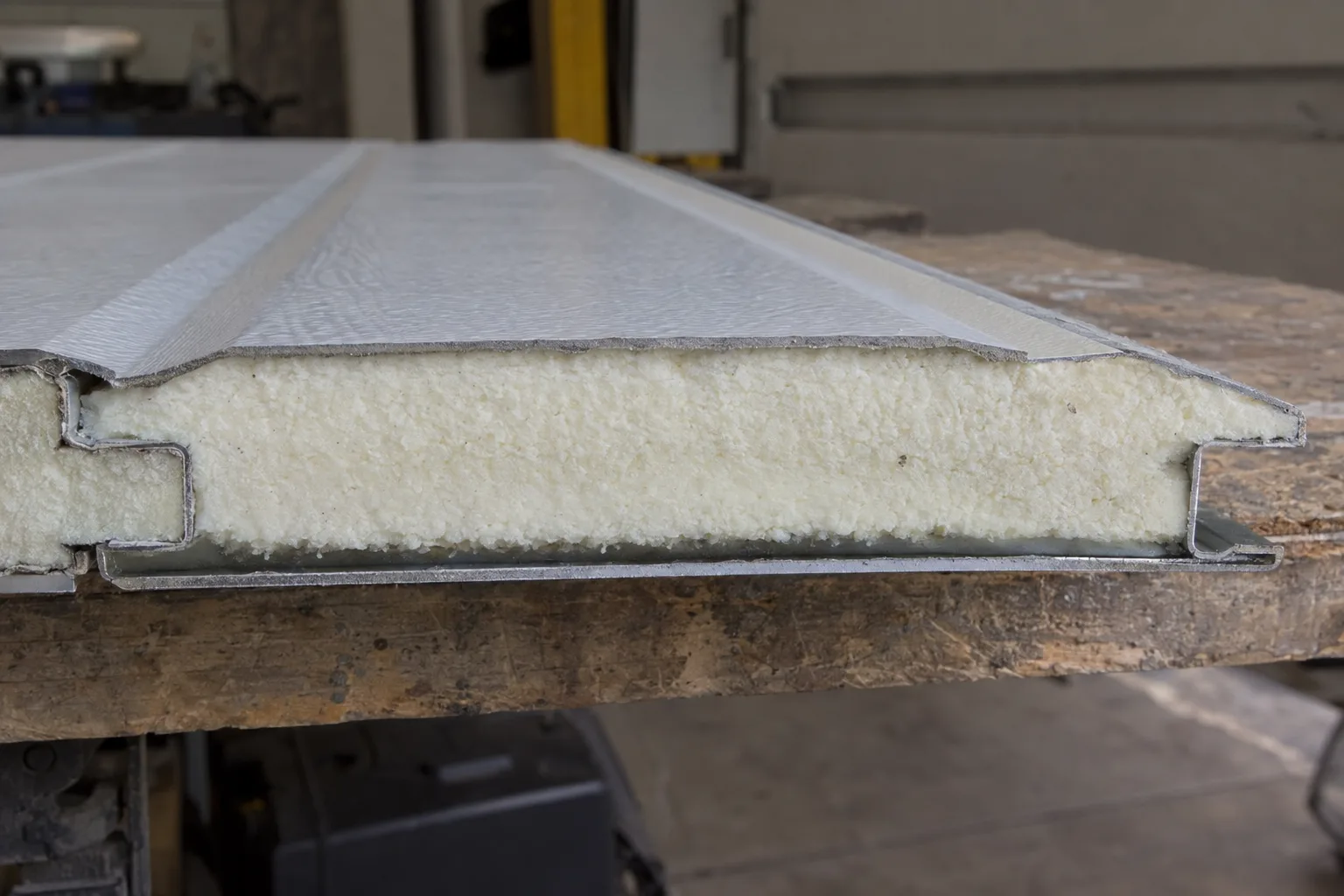
An insulated door is two skins with a core between them. R-value measures how well that core resists heat flow, and a higher number means less of the afternoon coming through into the garage.
Walk from a kitchen into an attached garage at three in the afternoon in July and the air hits you. That is thermal transfer in real time, and an uninsulated door has almost no resistance to it. The heat then pushes through the shared wall or the ceiling into conditioned space, and the air conditioning makes up the difference.
So the saving is a cooling load question rather than a comfort one, though you get both. Where the door itself is at end of life, a new insulated door is usually the better spend than a retrofit, which is a replacement conversation.
Both work. They are built differently and they suit different doors.
Rigid boards fitted into the panel cavity.
Foam injected and bonded to both skins during manufacture.
Adding insulation adds weight. On a retrofit that means the spring tension has to be rechecked, or the opener carries the difference. That is included, not an extra.
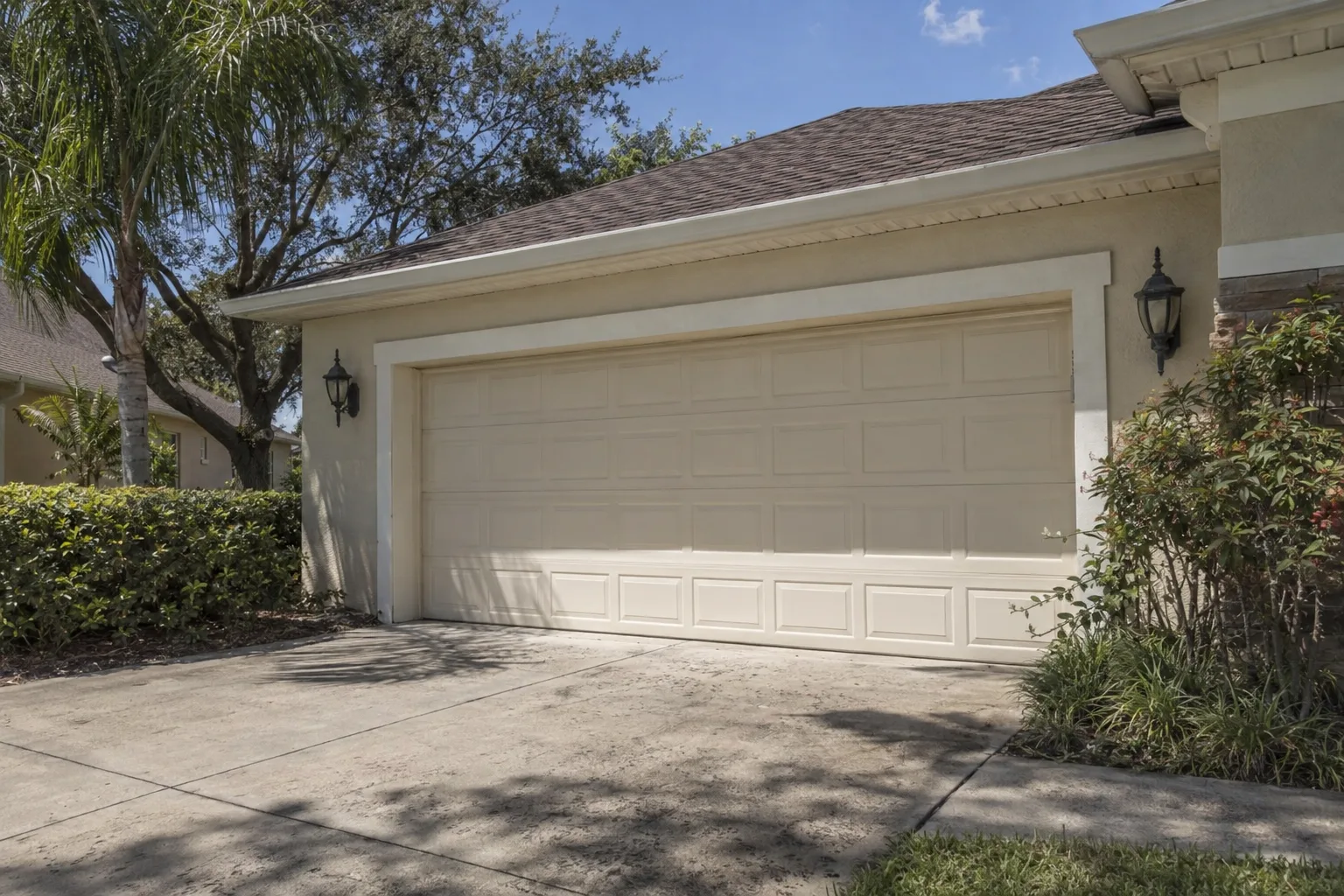
A detached garage that nobody conditions and that faces north has a very different case from an attached, west-facing door with a bedroom above it. Buying the top tier for the first one is money you will not notice.
So every job starts with a look at the structure: which way the door faces, whether the garage is attached, whether there is conditioned space above or beside it, and what the wall and ceiling are already doing.
The other honest point is that the door is one surface. If the ceiling above the garage is uninsulated, the door will not carry that on its own, and we would rather say that than sell you the highest number on the shelf.
The insulation is the product. These are the things that decide whether it does anything.
Seals and insulation work together, so both get checked. See weather stripping and seals. Panel construction and R-value are measured to the standards published by DASMA, the industry standards body, and you can verify it with the Florida DBPR.
Call (689) 407-8963Windermere, FL 34786
Primary service zone, Orange County. Not sure whether you are inside the radius? Call (689) 407-8963 and ask.
It lowers the cooling load on an attached garage, which is where the saving comes from. How much depends on orientation, what sits above the garage and how well the rest of that envelope is insulated.
Often yes, with rigid panels fitted into the cavity, provided the panels are sound. If the door is already at end of life, a new insulated door is the better spend.
Noticeably, especially a bonded polyurethane core, because it stiffens the panel and stops it drumming.
It adds weight, so spring tension has to be rechecked and the opener limits reset. If that is skipped, the opener carries the difference and fails early.
It depends on orientation and what sits above the garage. A north-facing detached garage and a west-facing attached one with a room above are not the same problem, and we would rather size it than sell the top tier by default.
It will do something. What it will not do is account for your panel type, the added weight on the springs, or the seals, which is where most of the disappointment comes from.
Give us the symptom and a number. We will call you back, usually within the same working day. For a door that will not close, call (689) 407-8963 instead.
Licensed Florida contractor #93-2002026. Serving Windermere 34786 and the west Orlando corridor. 24/7 emergency dispatch.