Mechanical spring levelers
Stored-energy mechanisms with no hydraulics or power. Spring tension, hold-downs and the deck itself, serviced with the tension released safely first.
Levelers, lip plates, seals, shelters and bumpers, back in service before the next shift.
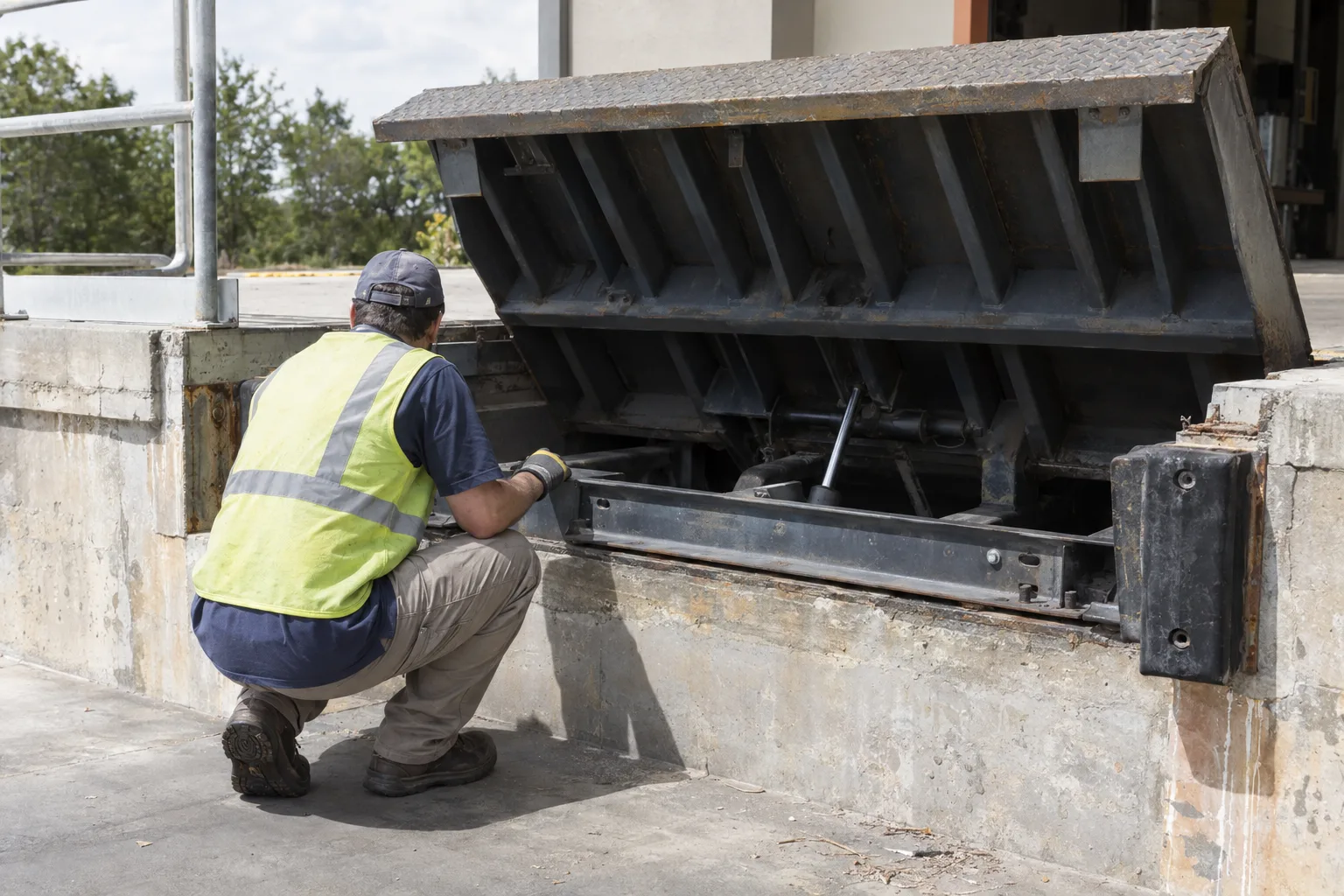
A mechanical spring dock leveler bridges the gap between the dock floor and the trailer bed using stored spring energy rather than hydraulics or power. When one locks in the stored position, nothing crosses. Pallet jacks stop, forklifts cannot stage, the truck sits and the crew waits.
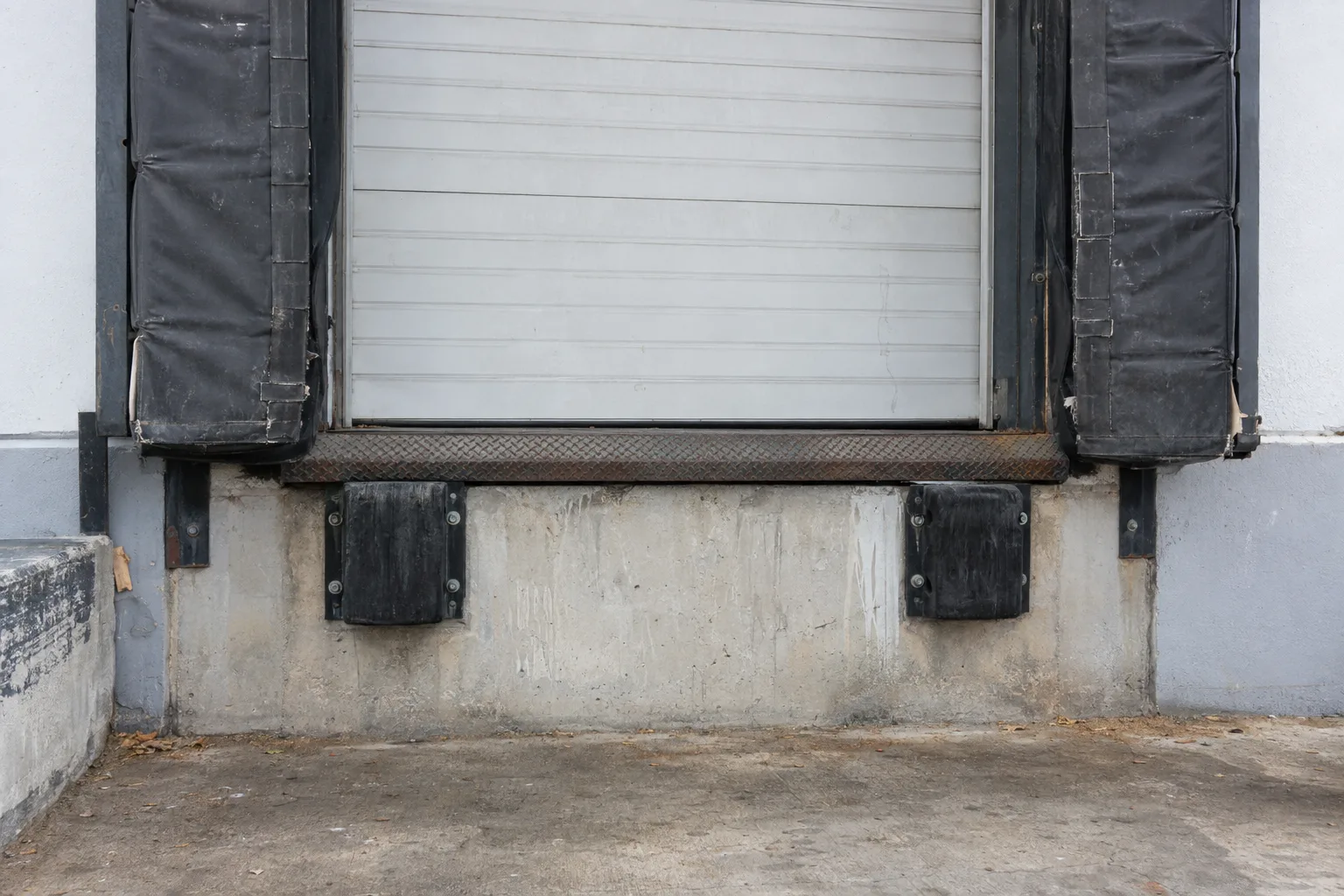
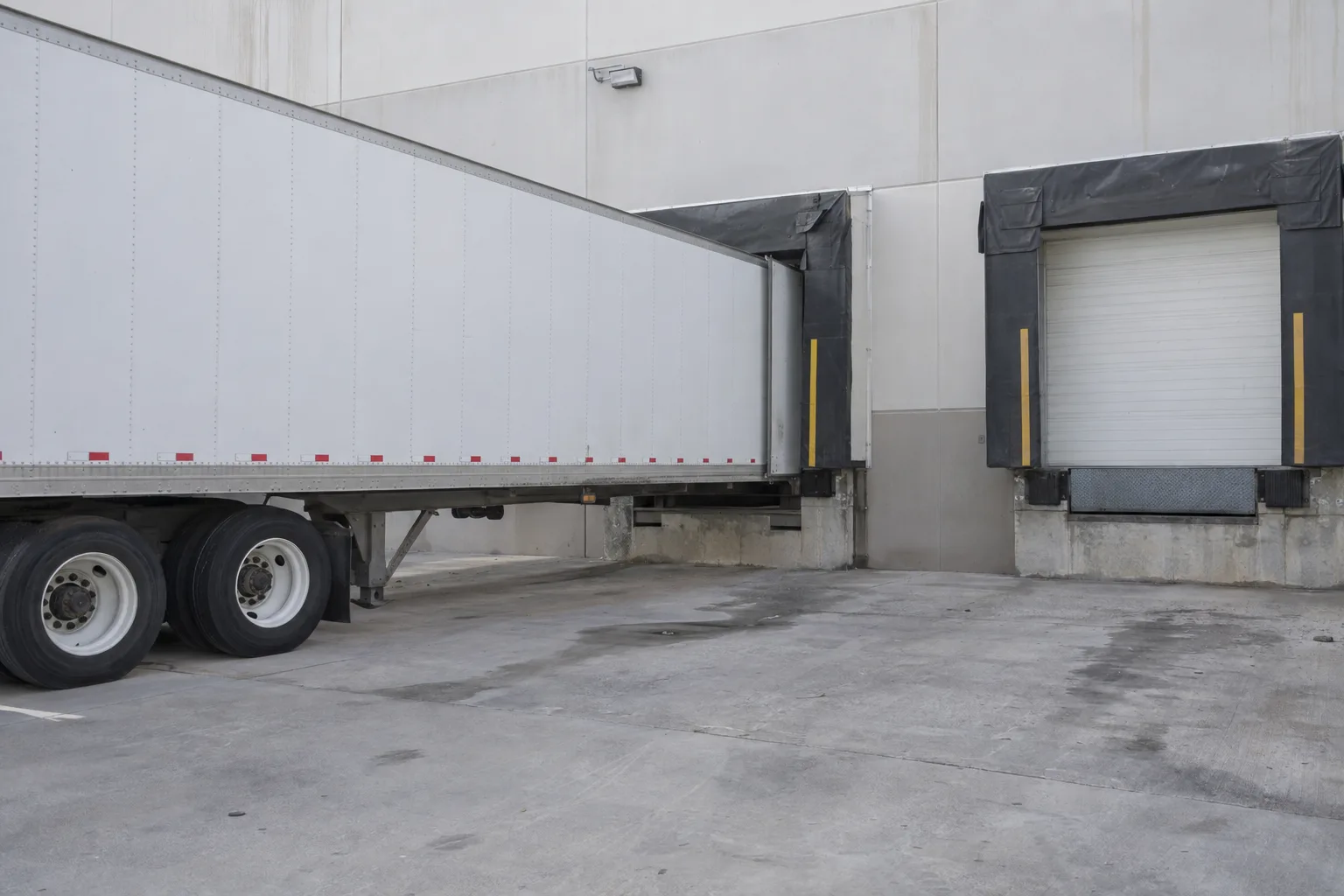
Around it: the lip plate that lands on the trailer, the hold-down assembly that controls the leveler, the seals and shelters that keep the weather out of the opening, and the bumpers that take the impact of a trailer backing in.
Failed bumpers are the quiet one. Once they are gone, the truck impact transfers straight into the dock frame and the wall, and that repair is a different order of cost. This runs alongside commercial garage door repair under the same license.
Dock equipment and the doors that work alongside it, in one visit rather than two trades.
Stored-energy mechanisms with no hydraulics or power. Spring tension, hold-downs and the deck itself, serviced with the tension released safely first.
Bent lips straightened or replaced, and hold-down assemblies repaired before spring tension is reintroduced. That order matters.
Foam and fabric replaced and brackets checked, so heat and moisture stay out of the bay.
Inspected and replaced before the impact starts reaching the frame wall. Cheap to replace, expensive to ignore.
Sectional and rolling steel doors serviced on the same visit, so a bay is handed back working rather than half fixed.
Rolling steelWest Orlando's distribution sector runs along the I-4 and SR-408 corridors, and a bay out of service there is measured in missed receiving windows, not in the price of the part.
That is why dispatch runs around the clock rather than in business hours. A leveler that failed at the end of second shift is a problem for the morning, and the morning is when the trucks arrive.
It is also the argument for scheduled service. Dock equipment fails on a predictable curve because the cycle count is predictable, and a leveler inspected on a schedule fails far less often mid-shift.
Mechanical levelers hold stored energy, so the sequence is not negotiable.
If bumpers are missing or crushed, the frame behind them gets inspected too, since impact damage to the dock structure is the failure this equipment exists to prevent. Every visit runs under one license, and you can verify it with the Florida DBPR.
Call (689) 407-8963Windermere, FL 34786
Primary service zone, Orange County. Not sure whether you are inside the radius? Call (689) 407-8963 and ask.
It stops the bay working, so yes in practice. Dispatch runs 24/7 and this is one of the calls we treat as same-shift.
Tell us which you have when you call. Mechanical spring levelers are the core of what we service, and the sequence and parts are different for each.
On a schedule tied to the traffic through the bay, not on a calendar default. High-volume docks want it far more often than a site receiving twice a week.
Yes, and it is the cheapest item on the list. Once they are gone the impact goes into the frame wall, and that is structural work rather than equipment work.
That is the point of holding both under one license. The bay gets handed back working rather than waiting on a second trade.
Yes. For a site running multiple bays, scheduled service costs less than the receiving windows lost to reactive calls.